Table of Contents
1. Introduction
There are few fruits as gentle yet profound in healing as the grape. It appears soft, juicy, and humble — yet within its sweetness lies a medicine that has served both kings and commoners for centuries. From the Prophet’s time to Avicenna’s writings, from Greek physicians to modern nutritionists, Angoor has been regarded as food for the blood and a purifier for the organs.
When eaten fresh, it nourishes. When dried into raisins, it strengthens. When fermented, it becomes tonic for the heart. And when its leaves and seeds are used, they act as powerful protectors of vessels and the liver.
2. Botanical and Nutritional Composition
The grape (Vitis vinifera) is one of the oldest cultivated plants on earth. Its sweet juice, skin, and seeds are rich in polyphenols, flavonoids, resveratrol, and tannins — all known for strong antioxidant and anti-inflammatory effects.
Nutritional Profile
- Vitamins: A, C, K, and B-complex
- Minerals: Potassium, iron, manganese, calcium, magnesium, copper
- Phytonutrients: Resveratrol, quercetin, catechins, anthocyanins
- Natural sugars: Glucose and fructose (gentle energy)
- Fiber: Mainly in skin & seeds — supports digestion
Grapes Nutrition Table (Per 100g)
| Nutrient | Amount |
|---|---|
| Calories | 69 kcal |
| Protein | 0.7 g |
| Carbohydrates | 18 g |
| Natural Sugars | 15 g |
| Dietary Fiber | 0.9 g |
| Fat | 0.2 g |
| Vitamin C | 10.8 mg |
| Vitamin K | 22 µg |
| Vitamin B6 | 0.1 mg |
| Folate (B9) | 2 µg |
| Potassium | 191 mg |
| Calcium | 10 mg |
| Magnesium | 7 mg |
| Iron | 0.4 mg |
| Phosphorus | 20 mg |
| Key Antioxidants | Resveratrol, Quercetin, Catechins, Anthocyanins |
Unani Perspective
In Unani medicine, grapes are considered Latif-ul-Ghiza — light to digest, easily absorbed, producing pure blood and strengthening the liver.
3. Temperament (Mizaj) of Grapes
Green Grapes
- Mizaj: Sard o Tar (Cold & Moist)
- Cool the liver, reduce thirst, cleanse bile.
Black Grapes
- Mizaj: Slightly Warm
- Enrich blood, strengthen the heart, ease constipation.
Red Grapes
- Mizaj: Warm & Moist
- Boost vitality, circulation, and rejuvenation.
4. Medicinal Properties of Grapes (Why They Work)
1. Liver Cleanser & Blood Purifier
Grapes contain malic and tartaric acids that dissolve liver waste. Polyphenols support detox and reduce fatty deposits.
2. Heart Strengthener
Resveratrol relaxes vessels, reduces clots, improves circulation.
3. Relief from Constipation
Soft fiber and mild acids act as natural laxatives — especially in black grapes.
4. Anti-aging & Skin Rejuvenation
Antioxidants protect collagen, reduce wrinkles, and hydrate skin.
5. Immunity & Energy Booster
Vitamin C, polyphenols, and natural sugars support immunity and energy.
6. Kidney & Bladder Cleanser
Potassium increases urination, flushes uric acid, reduces swelling.
7. Protection Against Anemia
Iron and copper help hemoglobin formation.
8. Respiratory Support
Warm grape juice soothes dry cough, irritation, and clears the chest.
9. Cancer Protection
Resveratrol and quercetin inhibit abnormal cell growth.
10. Nerve and Mind Tonic
Grape juice nourishes the brain, reduces stress, and improves mood.
5. Healing Power of Each Part of the Grape
1. Fruit
Nourishes, softens, builds blood.
2. Seeds
Rich in vitamin E & antioxidants — strengthen vessels, prevent varicose veins.
3. Leaves
Astringent; support digestion and blood flow regulation.
4. Skin
High in resveratrol — heart protective.
5. Stem
Bitter, purgative — used traditionally for liver obstruction.
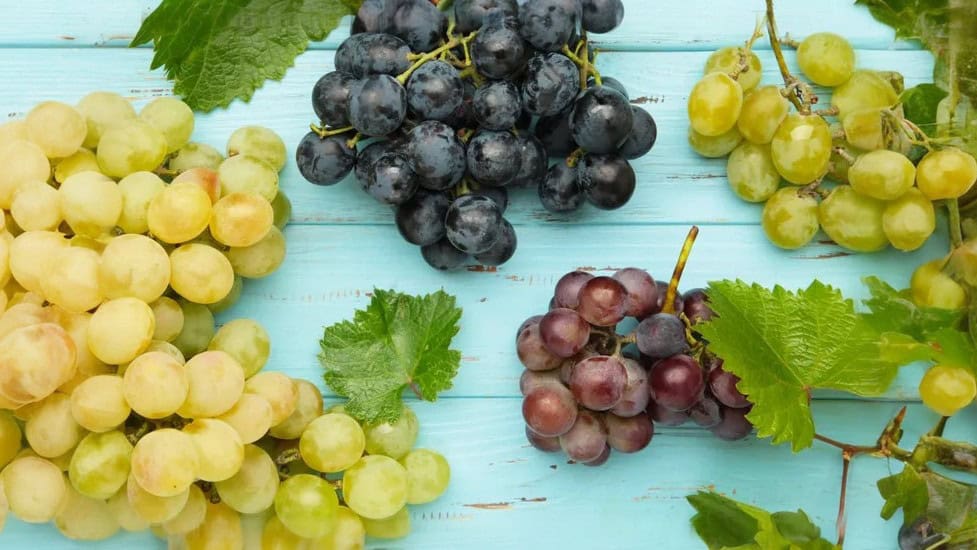
6. Differences Among Green, Black, and Red Grapes
While all grapes share common benefits, their color, flavor, and temperament (Mizaj) influence their specific effects on the body. Here’s a detailed breakdown:
Green Grapes
Mizaj: Cold and Moist (Sard o Tar)
- Best for: Bile disorders, jaundice, acidity, and thirst
- Health Effects:
- Cools the liver and reduces internal heat
- Light on the stomach; easily digestible
- Gentle diuretic; supports urinary tract cleansing
- Mild laxative effect to prevent constipation
- Usage Tip: Ideal for people with warm temperaments or digestive heat; can be consumed fresh or as green grape juice.
Black Grapes
Mizaj: Slightly Warm and Moist
- Best for: Weakness, constipation, anemia, and low energy
- Health Effects:
- Rich in iron and anthocyanins; strengthens blood
- Improves heart health and circulation
- Supports digestion and eases intestinal dryness
- Boosts immunity and vitality, especially in fatigue
- Usage Tip: Excellent for morning consumption or as part of a tonic with nuts and honey.
Red Grapes
Mizaj: Warm and Moist
- Best for: Fatigue, cold temperaments, circulation issues, and low libido
- Health Effects:
- Stimulates blood flow and rejuvenates tissues
- Enhances energy and overall vitality
- Improves heart health and supports nervous system function
- Acts as a mild warming agent for those with cold body types
- Usage Tip: Red grapes can be eaten fresh, as juice, or incorporated into meals for energy and vitality.
Summary:
- Green grapes = cooling and gentle on digestion
- Black grapes = blood-enriching and energy-boosting
- Red grapes = circulation-enhancing and revitalizing
7. Traditional Remedies of Angoor (15 Remedies)
1. Liver Weakness
½ cup grape juice + 1 tsp honey daily for 15 days.
2. Constipation
Soak black grapes overnight; eat in morning.
3. Anemia
Equal parts grape + pomegranate juice twice daily.
4. Dry Cough
Boiled grapes + licorice, drink warm.
5. Jaundice
Green grape juice + pinch of rock salt.
6. Heart Tonic
Raisins soaked in rose water, eat each morning.
7. Fatigue
Sharbat Angoor in water mid-morning.
8. Skin Glow
Apply grape pulp for 20 minutes.
9. Urinary Burning
Grape juice + barley water.
10. High Blood Pressure
15 grapes daily on an empty stomach.
11. Children’s Cough
Grape juice + honey.
12. Sore Throat
Warm grape decoction gargle.
13. Digestion
Black grapes + fennel after meals.
14. Nervous Weakness
Grape juice + almond paste.
15. Blood Purification
Grape juice + mint daily for 10 days.
8. Kitchen and Household Uses of Grapes
1. Sharbat Angoor (Traditional Grape Syrup)
Ingredients: Grapes, water, sugar/honey
Use: Liver & heart tonic.
2. Grape Vinegar (Sirka Angoor)
Fermented grape drink aiding digestion and liver cleansing.
3. Grape Raisin Decoction
Warm tonic for cough and weakness.
4. Grape Leaf Tea
Astringent drink for diarrhea and vessel health.
5. Grape & Fennel Cooling Drink
Soothes heat, bile, and supports the liver.
9. Scientific Validation
Modern research supports ancient wisdom:
- Resveratrol protects the heart & arteries.
- Polyphenols improve cholesterol levels.
- Grape seed extract improves circulation & eye health.
- Antioxidants reduce liver fat and oxidative stress.
10. Precautions
- Diabetics should consume in moderation.
- Avoid mixing grapes with milk or heavy meals.
- Avoid during acute diarrhea.
- Seeds/vinegar should be used cautiously in ulcers.
11. Conclusion
Grapes are among nature’s finest medicines disguised as fruit. They cleanse without weakening, nourish without heaviness, and refresh both blood and mind. If used wisely, Angoor protects the heart, purifies the liver, and maintains pure blood — bringing health, vitality, and inner calm.
12. Note
This blog is for educational and informational purposes only. It is not a substitute for professional medical advice, diagnosis, or treatment. Always consult a qualified healthcare provider before using grapes or any other natural remedies for health purposes.
13. Frequently Asked Questions (FAQs)
1. Can I eat grapes daily?
Yes, grapes are safe for daily use unless you have diabetes or digestive issues.
2. Are grapes good for fatty liver?
Yes — polyphenols help reduce fat accumulation and improve liver enzyme function.
3. Which grapes are best for anemia?
Black and red grapes due to higher iron and antioxidants.
4. Can diabetics eat grapes?
Yes, in moderation — prefer small portions and pair with nuts.
5. Are grape seeds safe to eat?
Yes, grape seeds are nutritious, but avoid in ulcers or gastritis.